




Cum să remediați eroarea „A apărut o eroare la verificarea parolei iPhone-ului”?

Getting locked out of your iPhone because of the
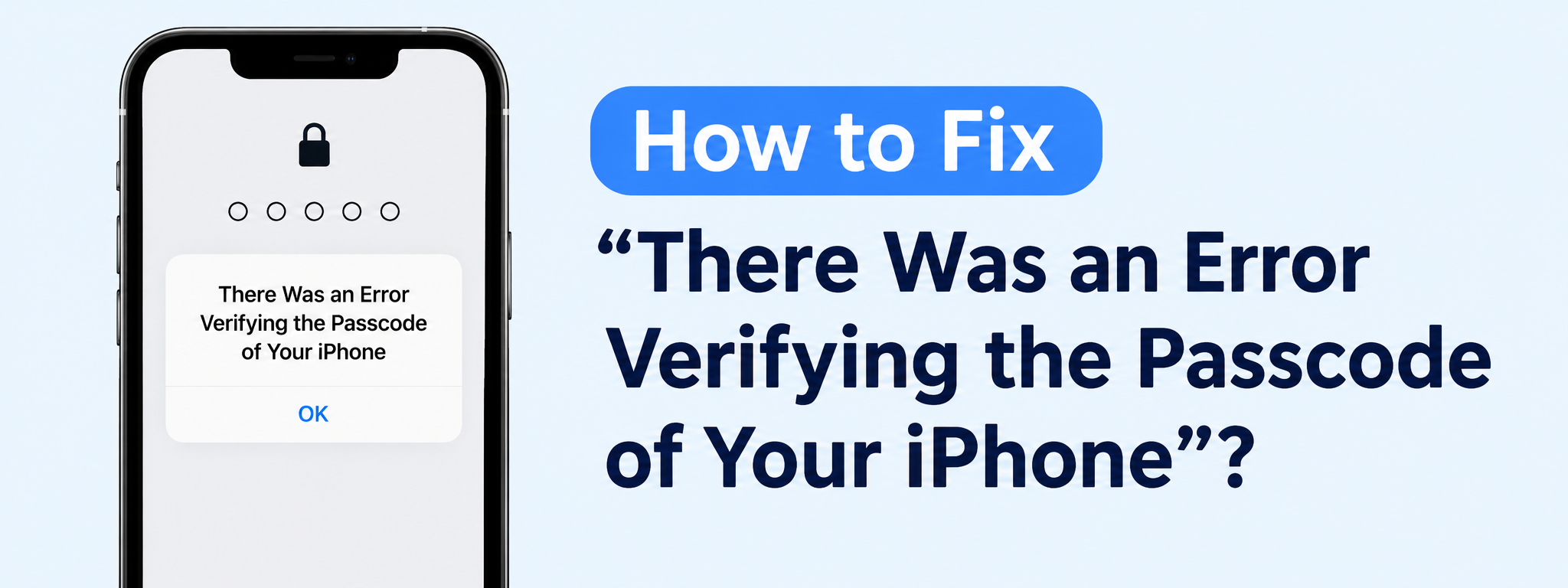
“There was an error verifying the passcode of your iPhone”
message can be frustrating, especially when you know you are entering the correct passcode. This problem can result from temporary iOS glitches, software errors, connectivity issues, or problems with system verification. Fortunately, you can try several simple troubleshooting methods to get your iPhone working again. In this guide, we’ll walk you through the most effective solutions and introduce an advanced iOS repair tool for more stubborn system issues.
1. How to Fix “There Was an Error Verifying the Passcode of Your iPhone”?
Try the following solutions in order. Some methods are non-destructive, while others may erase data, so choose carefully.
1) Double-Check Your Passcode
Make sure you are entering the correct iPhone passcode. If you recently changed it, remember that your iPhone may require the
new passcode
. Avoid repeatedly guessing the passcode because too many failed attempts can disable the device temporarily.
2) Force Restart Your iPhone
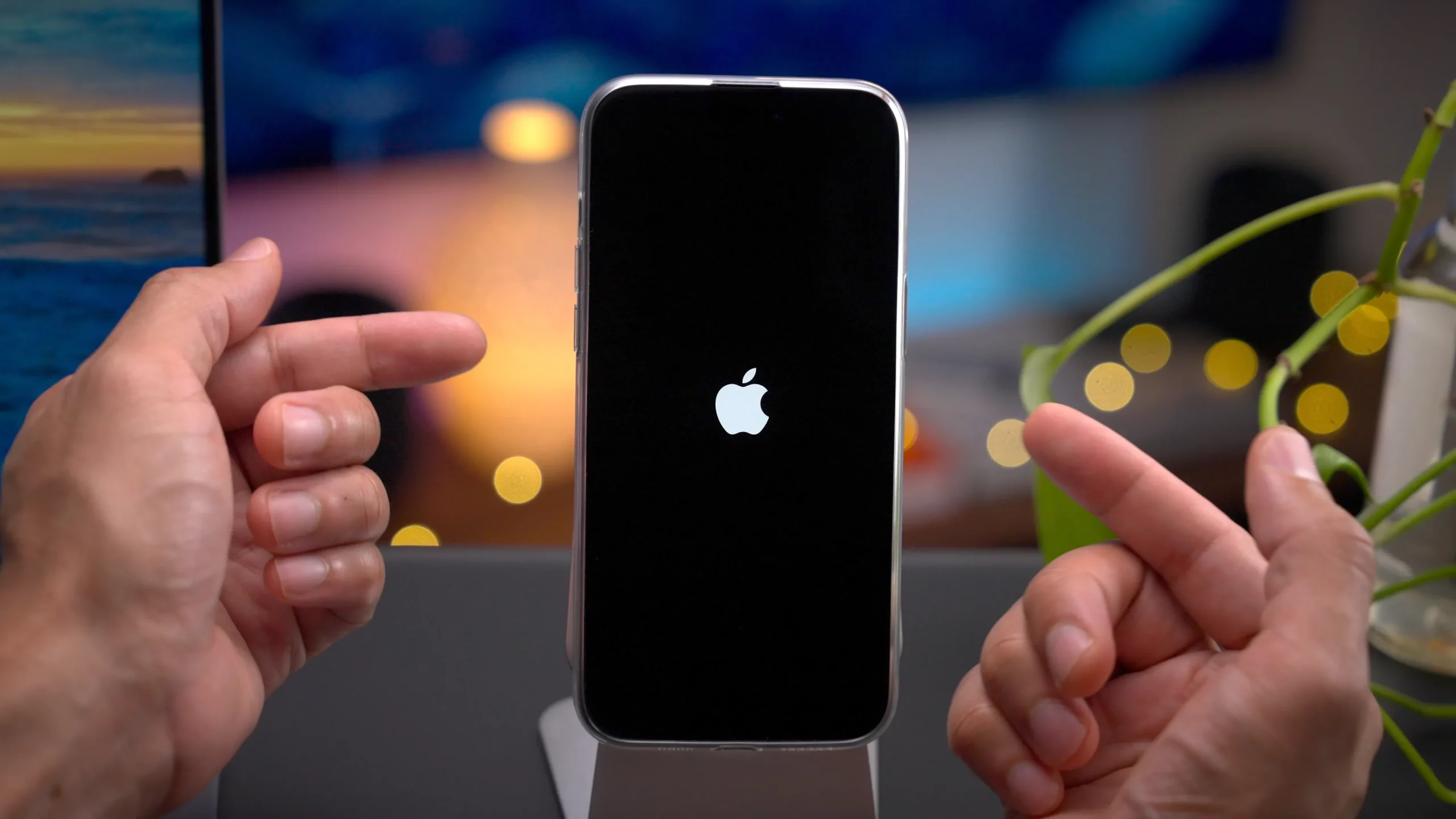
A temporary system glitch may interfere with passcode verification. Force restarting your iPhone can refresh iOS and potentially clear the error.
For most newer iPhones, quickly press and release
Creșterea volumului
, quickly press and release
Reducerea volumului
, then press and hold the
Partea
button until the Apple logo appears. Try entering your passcode again after the restart.
3) Check Your Internet Connection
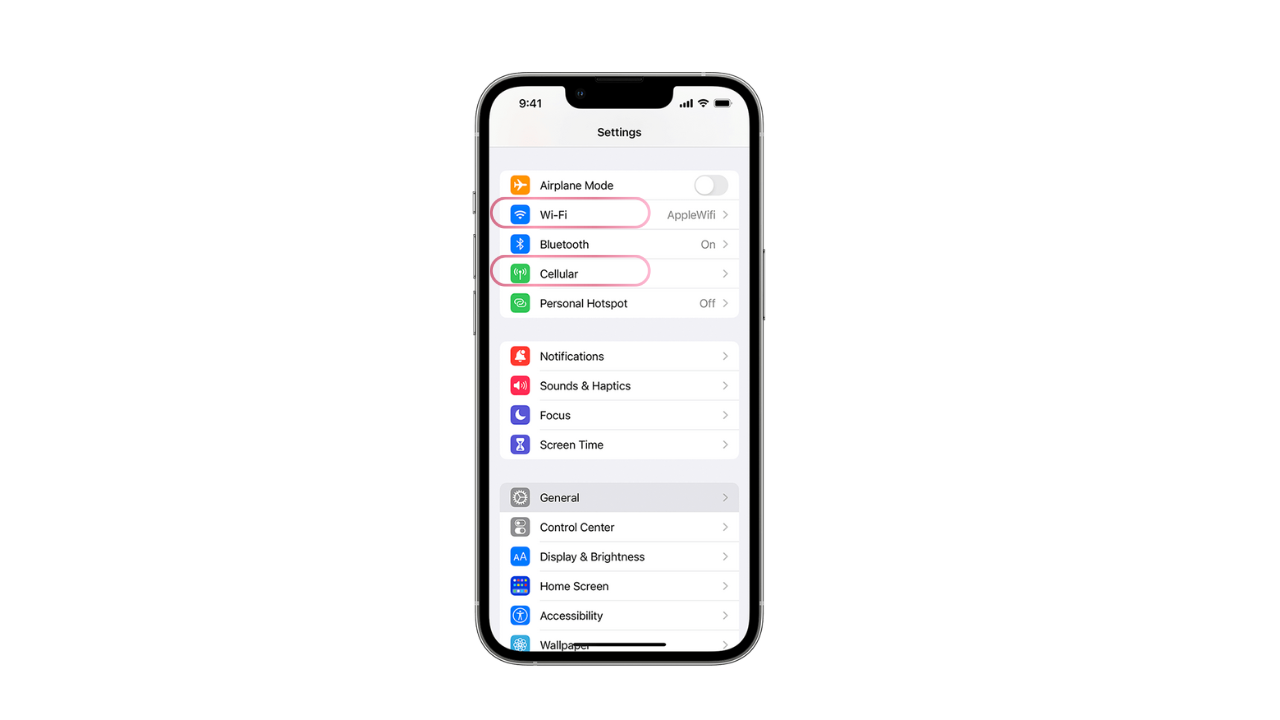
If the error is related to account or security verification, connect your iPhone to a stable Wi-Fi network or switch to cellular data, as a reliable internet connection can help iOS communicate with Apple’s services.
4) Update iOS
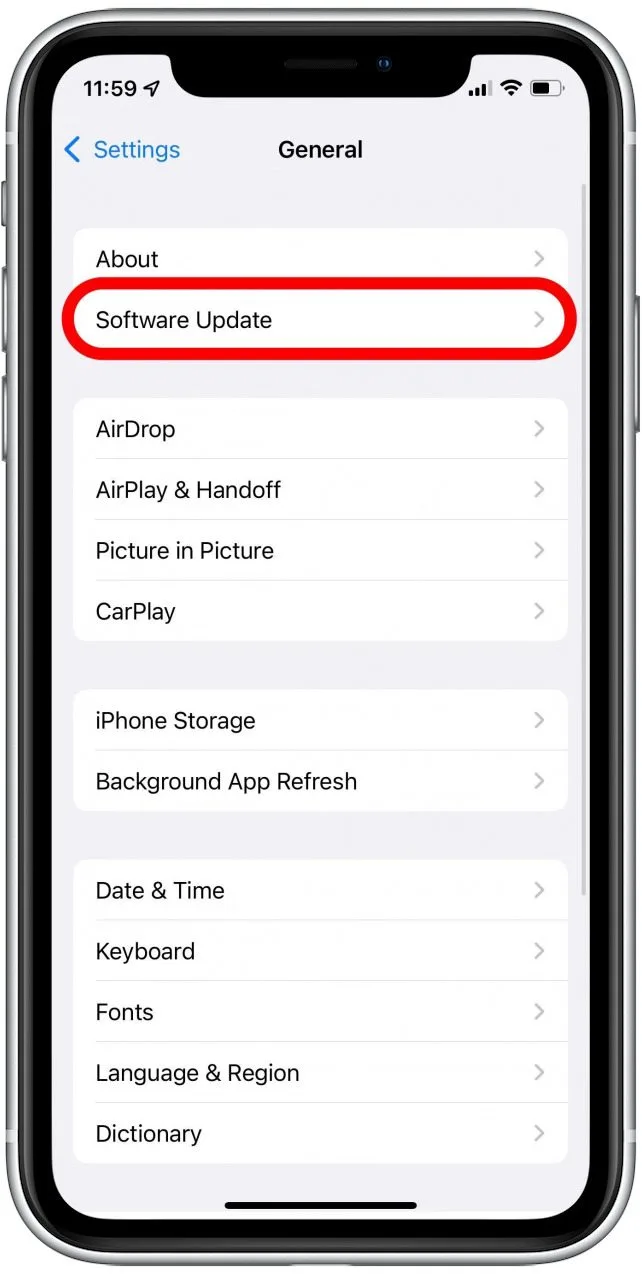
Software bugs can sometimes cause authentication and passcode-related problems. If you can access your iPhone, go to
Setări > General > Actualizare software
and install any available update.
Updating to the latest compatible iOS version may resolve known system bugs and improve device stability.
5) Check for Touchscreen Problems
Sometimes the problem may not actually be the passcode. A damaged or unresponsive touchscreen can cause the wrong numbers to register when you enter your code.
Clean and dry the screen, remove any accessories that could interfere with touch input, and try entering the passcode again. If certain areas of the screen consistently fail to respond, hardware service may be required.
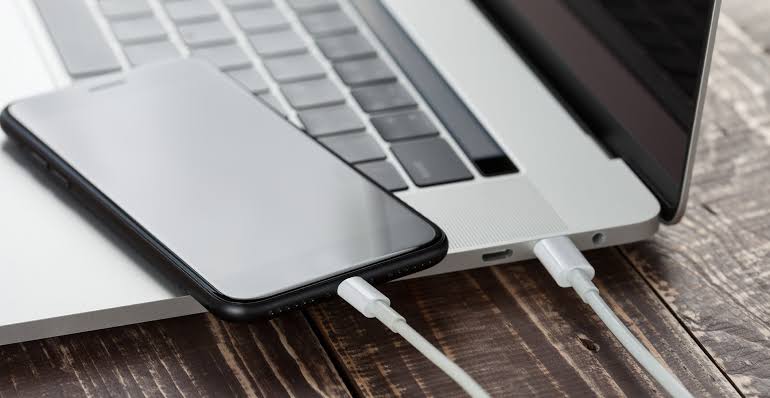
6) Connect the iPhone to a Computer
If you cannot access your iPhone normally, connect it to a Mac or Windows computer and use Apple’s device-management tools to try updating the device first, as restoring it may erase your data.
7) Use Recovery Mode
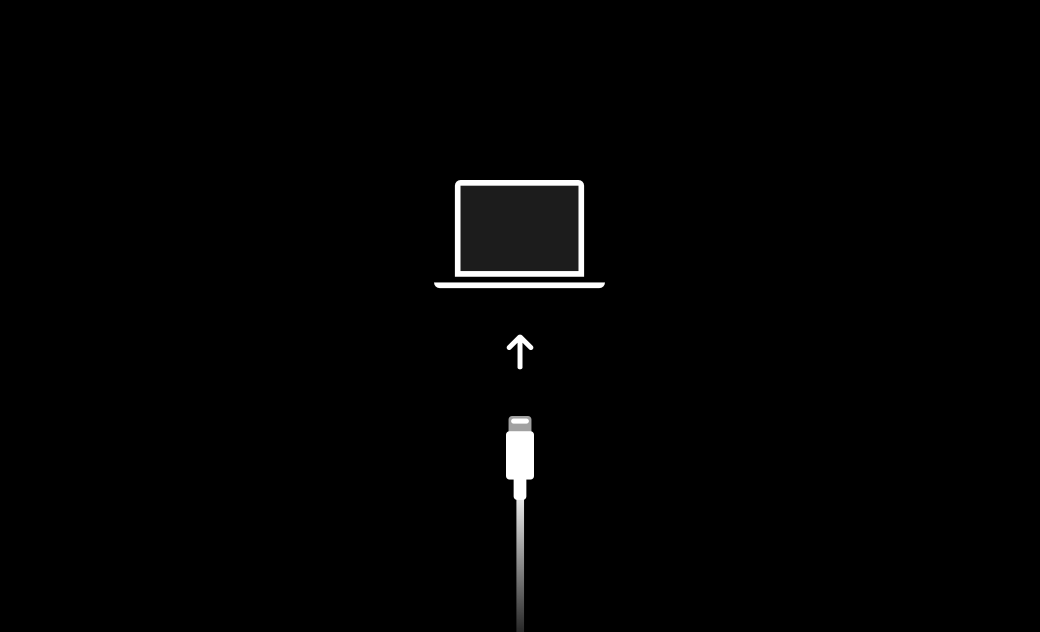
Recovery Mode can help when your iPhone is stuck, fails to start correctly, or continues experiencing serious software problems.
Connect the iPhone to a computer, enter Recovery Mode using the appropriate button combination for your model, and then use Finder or Apple’s Windows device-management software to update or restore the device.
An update may reinstall iOS without immediately erasing your data, while a restore generally removes the device’s existing content.
8) Restore the iPhone
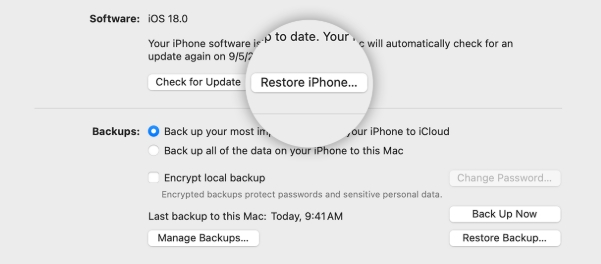
If other solutions fail, restoring the iPhone may resolve serious software problems. However, this should be considered a last resort because restoring can erase your data and settings.
After the restoration, you can set up the iPhone again and restore your information from an available backup.
2. Bonus: Advanced Fix iOS System Errors with AimerLab FixMate
If none of the basic solutions work, the problem may be caused by a deeper iOS system error. In this situation, AimerLab FixMate provides a convenient alternative to manually troubleshoot complicated system problems.
FixMate is an iOS system repair program designed to help fix 200+ software-related problems on iPhone and iPad, including the passcode verifying error. Instead of requiring complicated technical procedures, it provides a guided repair process that allows users to troubleshoot their devices from a computer.
How to Use FixMate to Repair iOS Problems:
- Download and install AimerLab FixMate on your Windows or Mac computer.
- Use a USB cable to connect the affected iPhone to your computer, then l aunch FixMate, find “Fix iOS System Issues” and click “Start”.
- Start with Standard Repair if you want to try repairing the system while preserving your data, then f ollow the instructions to download the appropriate firmware package.
- Confirm the repair process and allow FixMate to reinstall or repair the necessary iOS components.
- Once the process finishes, restart the device and check whether the passcode verification error has been resolved.
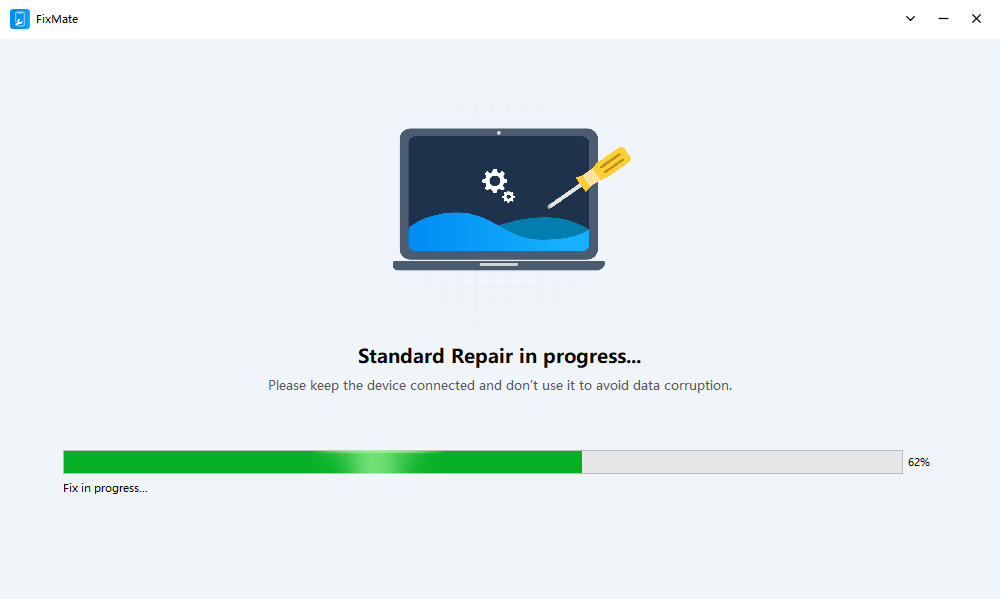
If Standard Repair does not fix the problem, you can consider Advanced Repair. However, advanced repair may erase data, so use it only after understanding the potential data-loss risk and backing up your information whenever possible.
3. Concluzie
The “There was an error verifying the passcode of your iPhone” message does not always mean that your passcode is wrong. Temporary iOS glitches, connectivity issues, touchscreen problems, outdated software, and deeper system errors can all contribute to unexpected verification problems.
Start by checking your passcode, restarting the iPhone, checking the internet connection, and updating iOS. If these quick solutions do not work, you can try connecting the device to a computer, using Recovery Mode, or restoring the iPhone.
For a more convenient solution to deeper iOS problems,
AimerLab FixMate
is worth trying. Its guided Standard Repair and Advanced Repair modes can simplify the process of troubleshooting various iOS system errors without requiring complicated manual procedures. If the standard fixes fail, FixMate can be a useful next step to help repair your iPhone and get it functioning normally again.
- Cum să remediați blocarea funcției „Finalizare pe iPhone nou”?
- Cum se descarcă iOS 27 Beta pe iPhone?
- Cum să remediați fișierul iPhone blocat în așteptare?
- Cum să rezolvi problema difuzorului iPhone-ului care este gri?
- Cum să remediați eroarea 9 „iPhone nu a putut fi restaurat”?
- Bluetooth-ul iPhone-ului se deconectează încontinuu? Încercați aceste soluții
- Cum să falsificați Pokemon Go pe iPhone?
- Prezentare generală despre Aimerlab MobiGo GPS Location Spoofer
- Cum să schimbi locația pe iPhone-ul tău?
- Top 5 falsuri false de localizare GPS pentru iOS
- Definiție GPS Location Finder și Spoofer Sugestie
- Cum să-ți schimbi locația pe Snapchat
- Cum să găsiți/partajați/ascundeți locația pe dispozitivele iOS?